





QR Code

Contact Us

Phone

E-mail

Address
Nantongbang Industrial Park, No. 80, Fumin Road, Yuanshanbei Village, Changping Town, Dongguan City, Guangdong, China

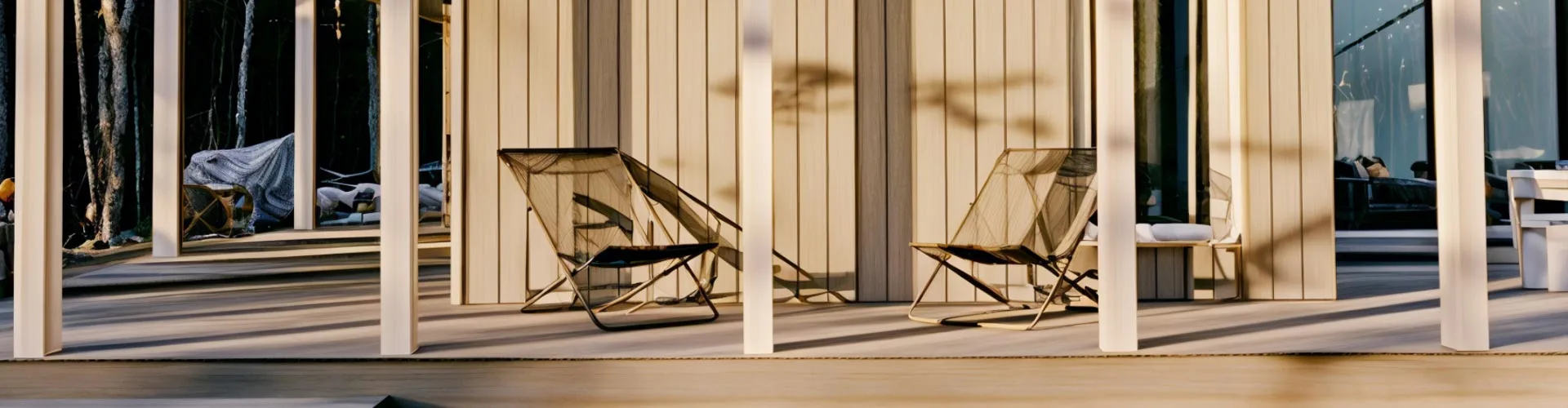
A simple comparison of durability, maintenance, privacy, and cost — for homeowners, contractors, and property developers
Composite WPC fencing is the best overall choice for most homeowners and contractors. It offers a natural wood look, lasts 25+ years, requires zero maintenance, and resists rot, mold, and insects. Aluminum is rust-proof and lightweight but offers less privacy. Vinyl is budget-friendly but can crack in cold climates. Your choice depends on your budget, climate, and privacy needs.
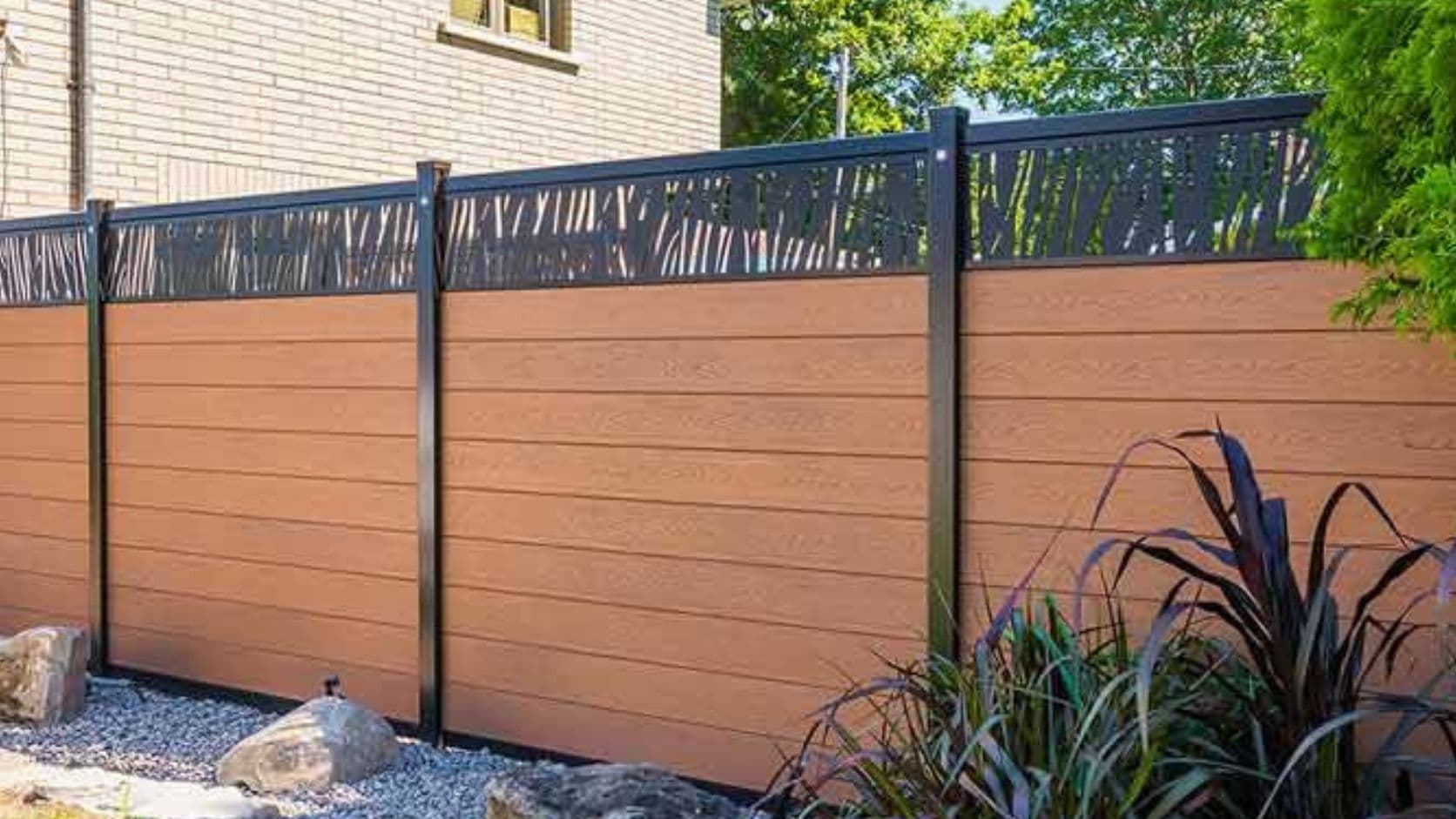
"The fence you choose defines your property's privacy, security, and maintenance costs for decades. Choose wisely."
— Necowood Fencing TeamChoosing the right fence can feel overwhelming. Wood, composite, aluminum, vinyl — there are so many options, and each one comes with its own pros and cons.
Today, three materials dominate the fencing market as alternatives to traditional wood: composite WPC (Wood-Plastic Composite), aluminum, and vinyl. Each has its strengths and weaknesses.
Necowood is a leading WPC manufacturer with 16+ years of experience, exporting premium fencing to 120+ countries worldwide. This guide will help you understand the differences and choose the right fence for your property.
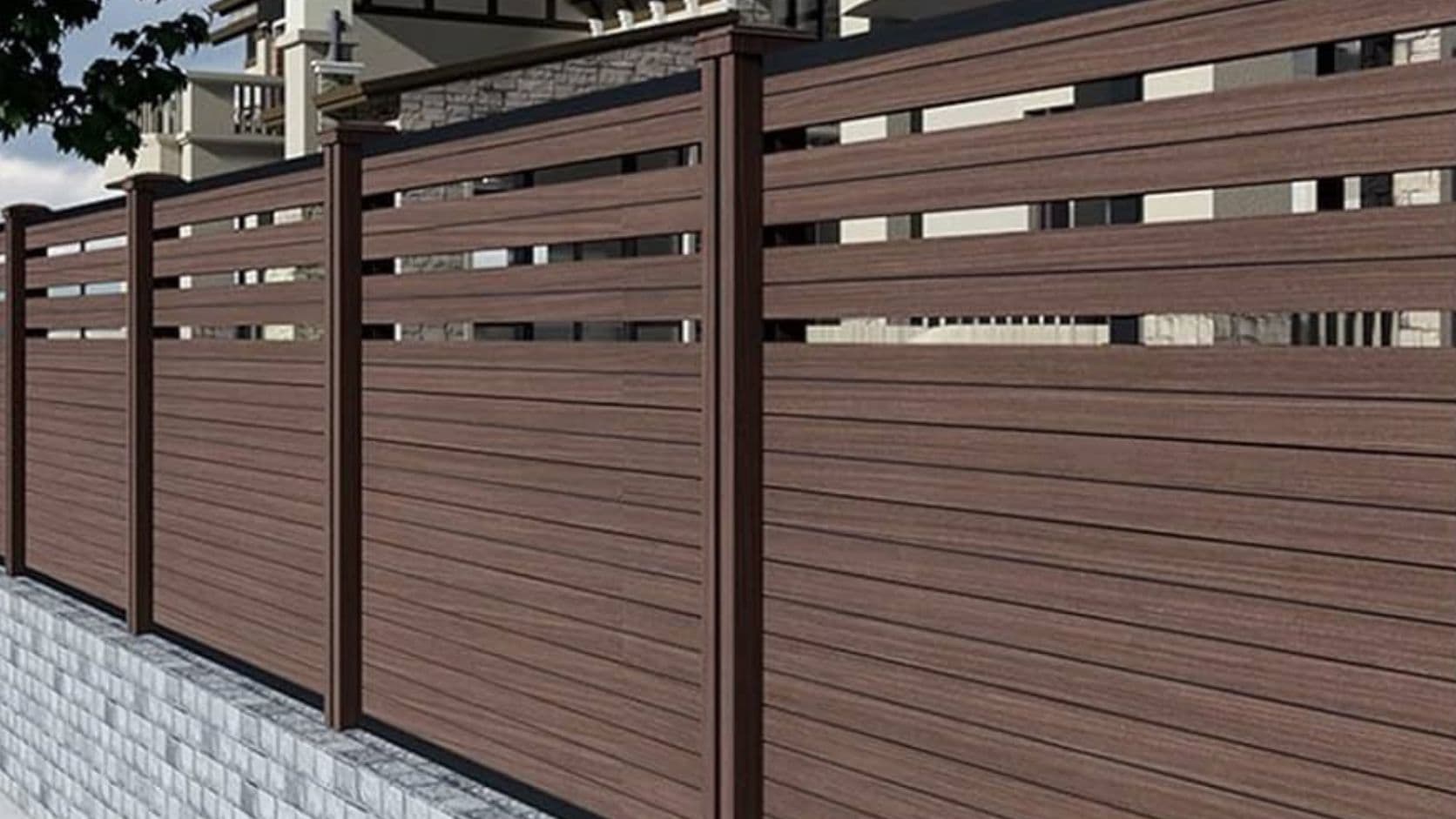
Composite fencing is made from a blend of wood fibers and recycled plastics. Necowood's WPC fences contain up to 90% recycled content (wood powder, rice husks, and recycled HDPE) — making them one of the most environmentally friendly fencing options available.
Best for: Homeowners who want a premium wood look with zero maintenance. Commercial projects, resorts, villas, and coastal properties where durability matters.
Cost: Higher upfront cost than vinyl, but lower total cost over 25 years because you never need to paint, stain, or replace panels.
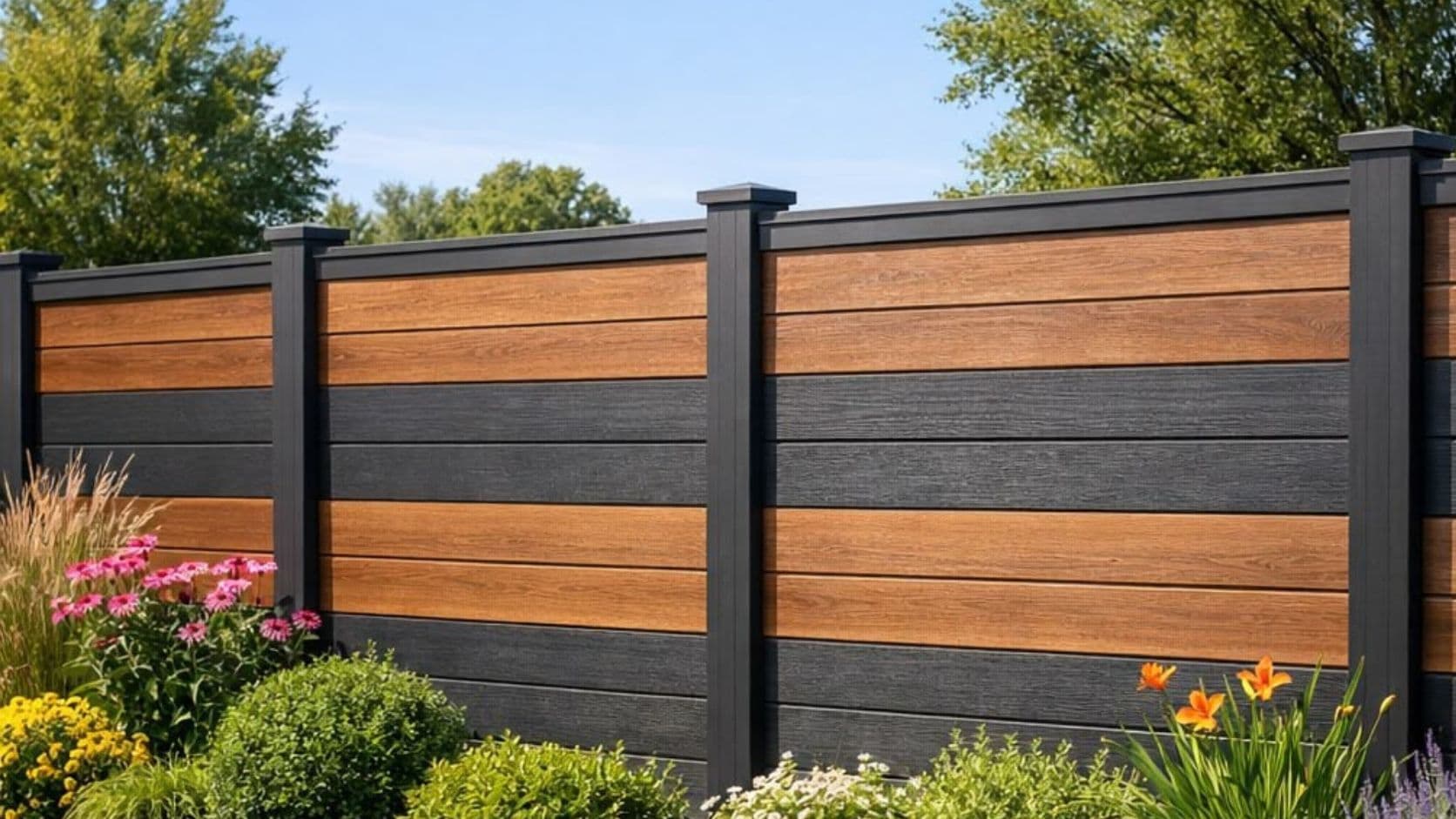
Aluminum fencing offers a modern, clean look that works well with contemporary homes and commercial buildings. It's lightweight, rust-proof, and requires minimal upkeep.
Best for: Pool enclosures, front yards, apartment complexes, and commercial properties where visibility and security are both important.
Cost: Mid-range cost. Cheaper than composite but more expensive than basic vinyl.
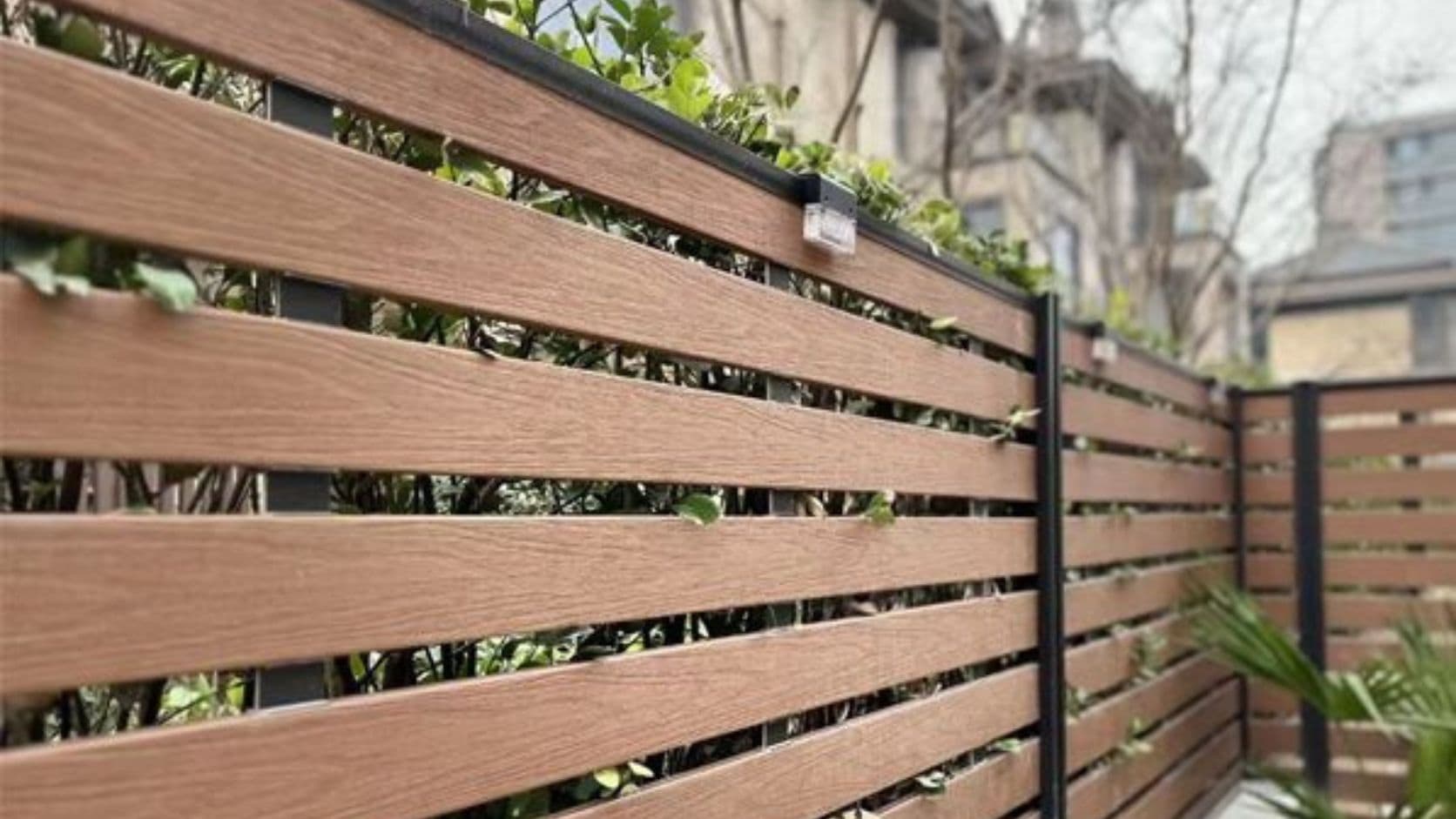
Vinyl fencing is made from PVC plastic. It's popular because it's affordable, low-maintenance, and looks clean and uniform. It doesn't need painting or staining.
Best for: Budget-conscious homeowners who want a clean, simple fence and live in moderate climates without extreme cold.
Cost: Lowest upfront cost. But consider long-term durability — if panels crack or fade, you may need to replace them sooner.
| Feature | Composite (Necowood WPC) | Aluminum | Vinyl |
|---|---|---|---|
| Lifespan | 25+ years | 20-30 years | 10-20 years |
| Maintenance | Zero | Minimal | Low |
| Privacy | Excellent | Moderate | Excellent |
| Weather Resistance | Excellent | Good | Moderate |
| Wood Look | Excellent | No | Limited |
| Recycled Content | Up to 90% | Varies | Low |
| Upfront Cost | Premium | Medium | Budget |
| 25-Year Total Cost | Lowest | Medium | Highest |
Choose composite WPC if you:
Choose aluminum if you:
Choose vinyl if you:
Whether you're a contractor or a DIY homeowner, good installation is key to a long-lasting fence. Here are the basic steps for installing Necowood WPC fencing:
Before buying, also check: local building codes, property lines, HOA rules, and fence height limits in your area.
1. Which fence lasts the longest?
Composite WPC fencing lasts the longest. Necowood WPC fences are designed for 25+ years of service life with zero maintenance. Aluminum lasts 20-30 years with some upkeep. Vinyl typically lasts 10-20 years and can become brittle in cold weather.
2. Which fence requires the least maintenance?
Necowood WPC fencing requires the least maintenance — no painting, no staining, no sealing. Just an occasional wash with soap and water. Aluminum needs occasional cleaning and coating checks. Vinyl needs cleaning but may crack in extreme cold.
3. Which fence offers the most privacy?
Solid composite WPC panels and vinyl panels offer the most privacy. Necowood WPC fences come in full privacy, semi-privacy, and partition styles. Aluminum fences are more open and offer less privacy.
4. Is composite fencing worth the extra cost?
Yes, for the long term. Composite WPC costs more upfront but saves money over time because it needs zero maintenance and lasts 25+ years. With vinyl you may need to replace panels, and with aluminum you may need to repaint. The total cost of ownership is lowest with composite.
5. What's the best fence for coastal areas?
Aluminum is rust-resistant and works well in coastal areas. But Necowood WPC is also excellent — it's 100% rust-proof, resists salt spray, and doesn't corrode. Both are good choices for coastal climates.
6. Where can I buy composite WPC fencing?
Necowood manufactures premium WPC fence panels, gates, posts, and accessories. With 16+ years of experience and exports to 120+ countries, we offer factory-direct pricing, OEM customization, and technical support for residential and commercial projects worldwide.
Nantongbang Industrial Park, No. 80, Fumin Road, Yuanshanbei Village, Changping Town, Dongguan City, Guangdong, China