Natural Stone vs Flexible Veneer vs WPC Wall Panels
📑 In this article
1. What Are the Three Materials?
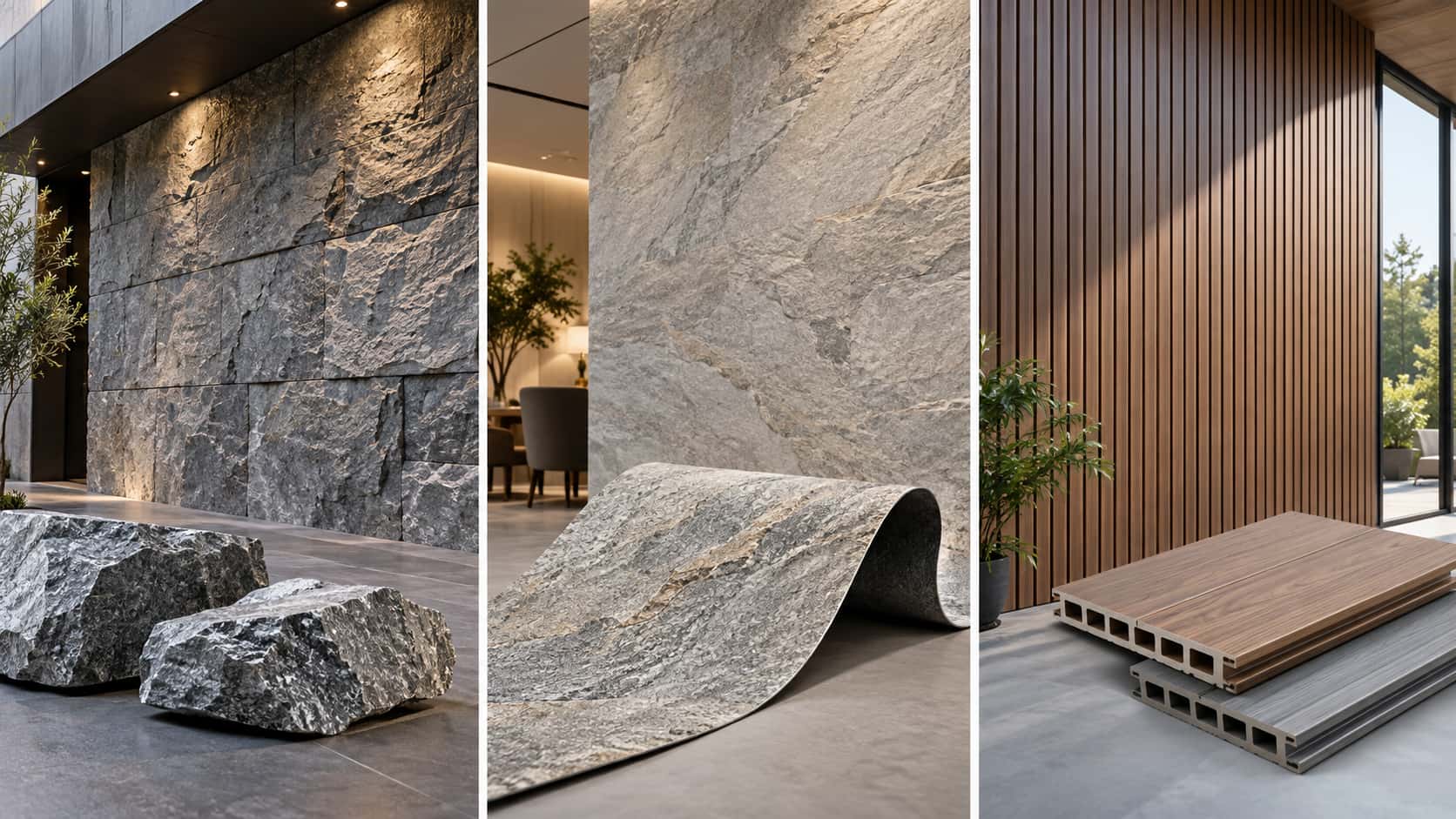
Natural stone – quarried slabs of granite, marble, slate, or limestone. Thick (20–30 mm), heavy (40–80 kg/m²), rigid. Offers authentic veining and depth.
Flexible stone veneer – a thin layer (1–3 mm) of natural stone bonded to a flexible polymer backing. Lightweight (4–8 kg/m²) and bendable around a 50 mm radius. Real stone surface, but thin.
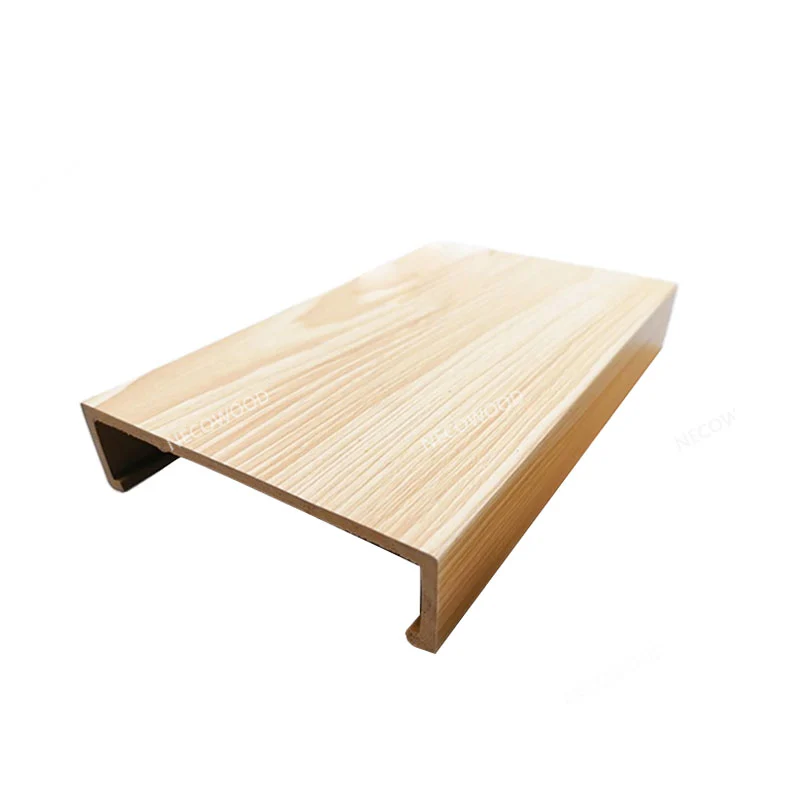
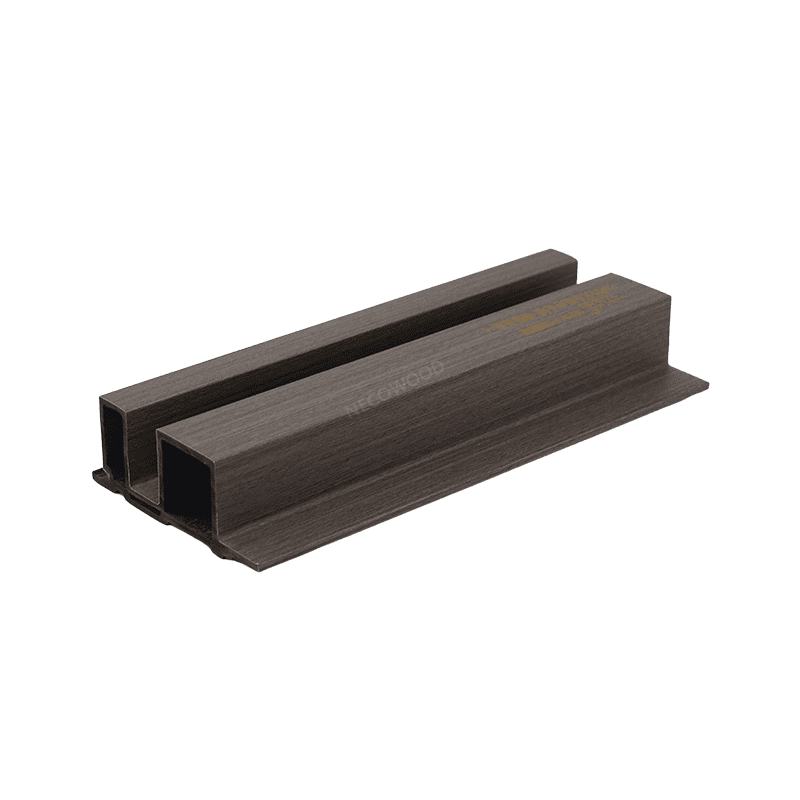
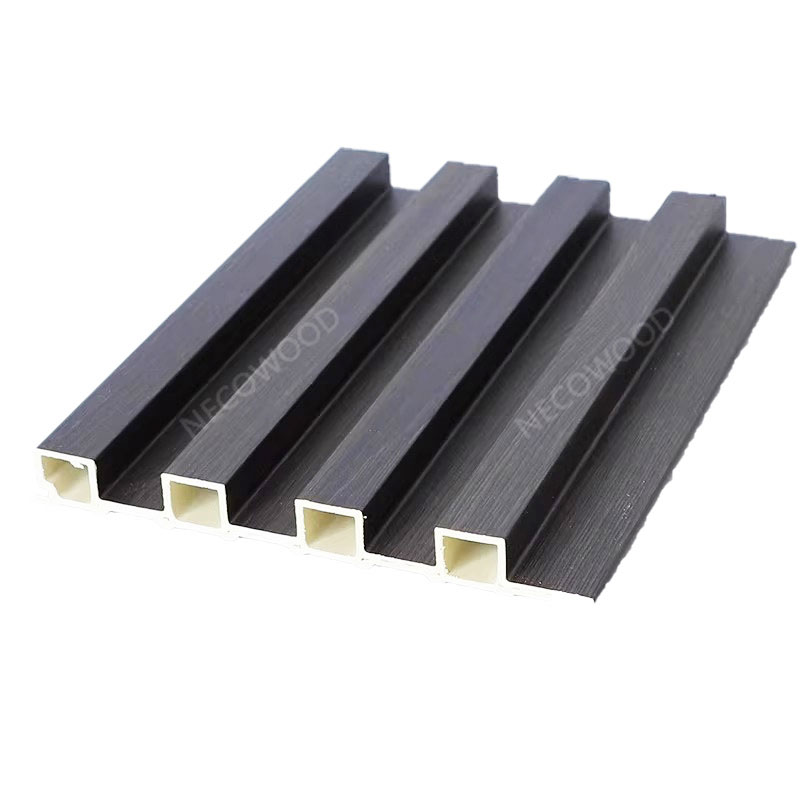
WPC wall panels – engineered wood‑plastic composite boards (8–15 mm thick, 9–12 kg/m²) with wood‑grain textures, co‑extruded for UV stability, and a micro‑cellular core for acoustics. Fully waterproof, zero maintenance.
2. Weight & Structural Load
| Material | Thickness | Weight (kg/m²) | Structural Impact |
|---|---|---|---|
| Natural Stone | 20–30 mm | 40–80 | Requires heavy-duty framing and anchors |
| Flexible Stone Veneer | 1–3 mm | 4–8 | Minimal – no reinforcement needed |
| WPC Wall Panels | 8–15 mm | 9–12 | Lightweight hollow‑core design – about 5.5× lighter than granite |
Key takeaway: Both flexible veneer and WPC panels drastically reduce structural load compared to natural stone. WPC offers a middle ground – heavier than veneer but far lighter than stone, with much higher impact resistance.
3. Installation & Total Cost
Installation methods:
- Natural stone: Diamond cutting, mechanical anchors + adhesive, slow, specialized labor.
- Flexible veneer: Utility knife, adhesive only, fast (up to 40% quicker).
- WPC panels: Standard woodworking tools, clip/dry‑hanging or adhesive, very fast with interlocking systems.
• Natural stone (granite): $800 – $1,850
• Flexible stone veneer: $55 – $140 (estimated)
• WPC wall panels (co‑extruded): $160 – $380
Total installed cost includes material, labor, and structural preparation.
25‑year total cost of ownership (TCO):
Natural stone: $960–2,150 (high maintenance) | Flexible veneer: $200–600* | WPC panels: $160–380 (zero maintenance).
*Assuming 20‑year lifespan.
Key takeaway: Flexible veneer has the lowest entry cost. WPC panels deliver the lowest 25‑year TCO because they require no painting, sealing, or replacement.
4. Durability & Weather Resistance
| Property | Natural Stone | Flexible Veneer | WPC Panels |
|---|---|---|---|
| Water Resistance | Variable – porous stones need sealing | Surface waterproof; backing may absorb moisture | Fully waterproof – no rot, warp, or degradation |
| UV / Color Stability | Excellent – inherent color | Requires UV coating (up to 99% blockage available) | Co‑extruded for superior UV resistance |
| Freeze‑Thaw | Good (if non‑porous) | System‑dependent – verify test data | Excellent – stable in temperature cycles |
| Fire Rating | Euroclass A1 (non‑combustible) | Euroclass A2 (non‑combustible) | Varies – check EN 13501‑1 / ASTM E84 |
Key takeaway: Natural stone leads in fire safety (A1). Flexible veneer offers A2. WPC panels require verified fire ratings – NECOWOOD panels meet commercial building code requirements.
5. Design & Aesthetic Flexibility
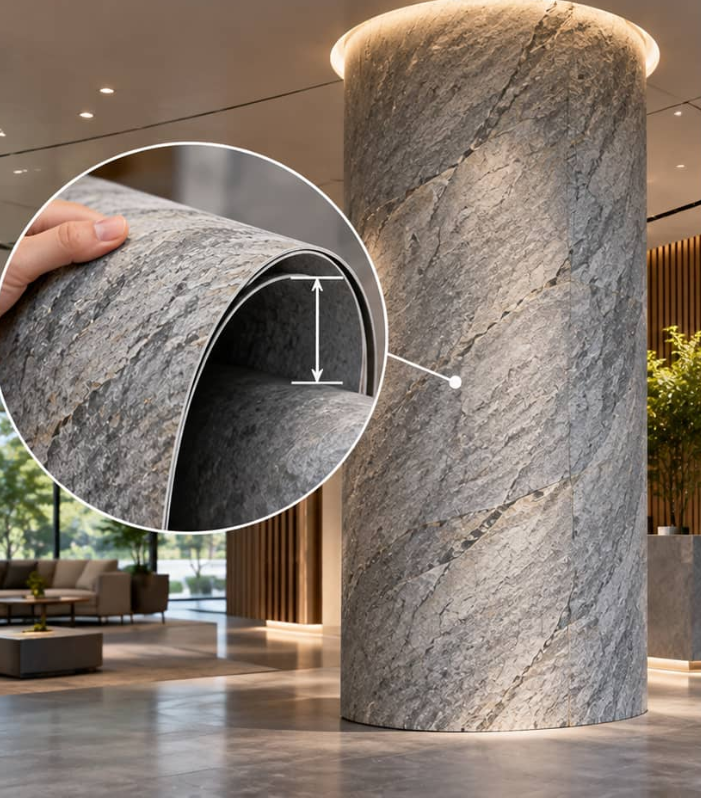
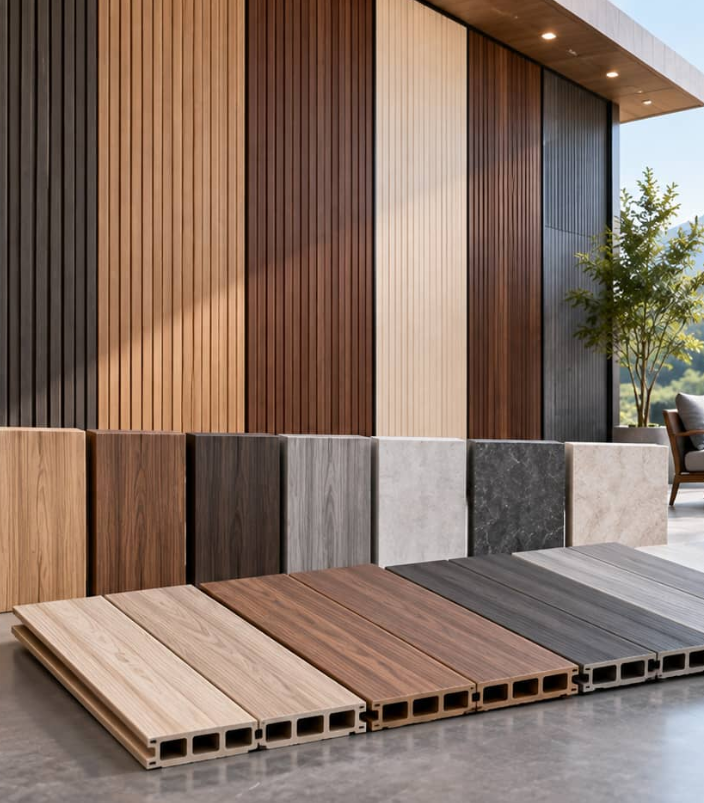
Visual authenticity: Natural stone provides genuine 3D depth (veining runs through). Flexible veneer has a real stone surface but lacks depth. WPC panels offer wood‑grain textures with authentic warmth.
Curve capability: Flexible veneer is the only one that can wrap tight curves (50 mm radius). Natural stone and WPC are rigid.
Customisation: Natural stone – limited. Flexible veneer – custom colours/textures available for OEM. WPC – extensive (Pantone matching, bespoke textures, branded finishes).
Key takeaway: Choose natural stone for depth, flexible veneer for curves, and WPC for customisation and consistent colour across large projects.
6. Maintenance & Lifecycle
| Material | Maintenance Required | Service Life |
|---|---|---|
| Natural Stone | Periodic sealing, cleaning, repairs | 50+ years |
| Flexible Stone Veneer | Low – wipe‑clean surface | 10–20+ years (quality‑dependent) |
| WPC Wall Panels | Zero maintenance – no painting, staining, or sealing | 20–30 years |
Key takeaway: Natural stone lasts longest but needs upkeep. Flexible veneer is low‑maintenance. WPC offers zero‑maintenance performance with a strong service life.
7. Sustainability & Environmental Impact
Carbon footprint: Natural stone – high (quarrying + heavy transport). Flexible veneer – moderate (less stone, lighter transport). WPC – low (recycled wood fibers and thermoplastics, lightweight).
Certifications (NECOWOOD WPC): 100% formaldehyde‑free (E0), CARB P2, GREENGUARD, CE, RoHS.
End‑of‑life: Natural stone – highly recyclable. Flexible veneer – composite backing complicates recycling. WPC – recyclable (can be ground and reprocessed).
Key takeaway: WPC panels offer the best balance – recycled content, low emissions, and recyclability.
8. When to Choose Each Material
✅ Choose Natural Stone when: you need authentic depth, carved edges, exterior durability, or heritage aesthetics – and budget/structure are not constraints.
✅ Choose Flexible Stone Veneer when: you need a stone look on curved surfaces, weight reduction is critical, or you want fast installation with real stone (not printed).
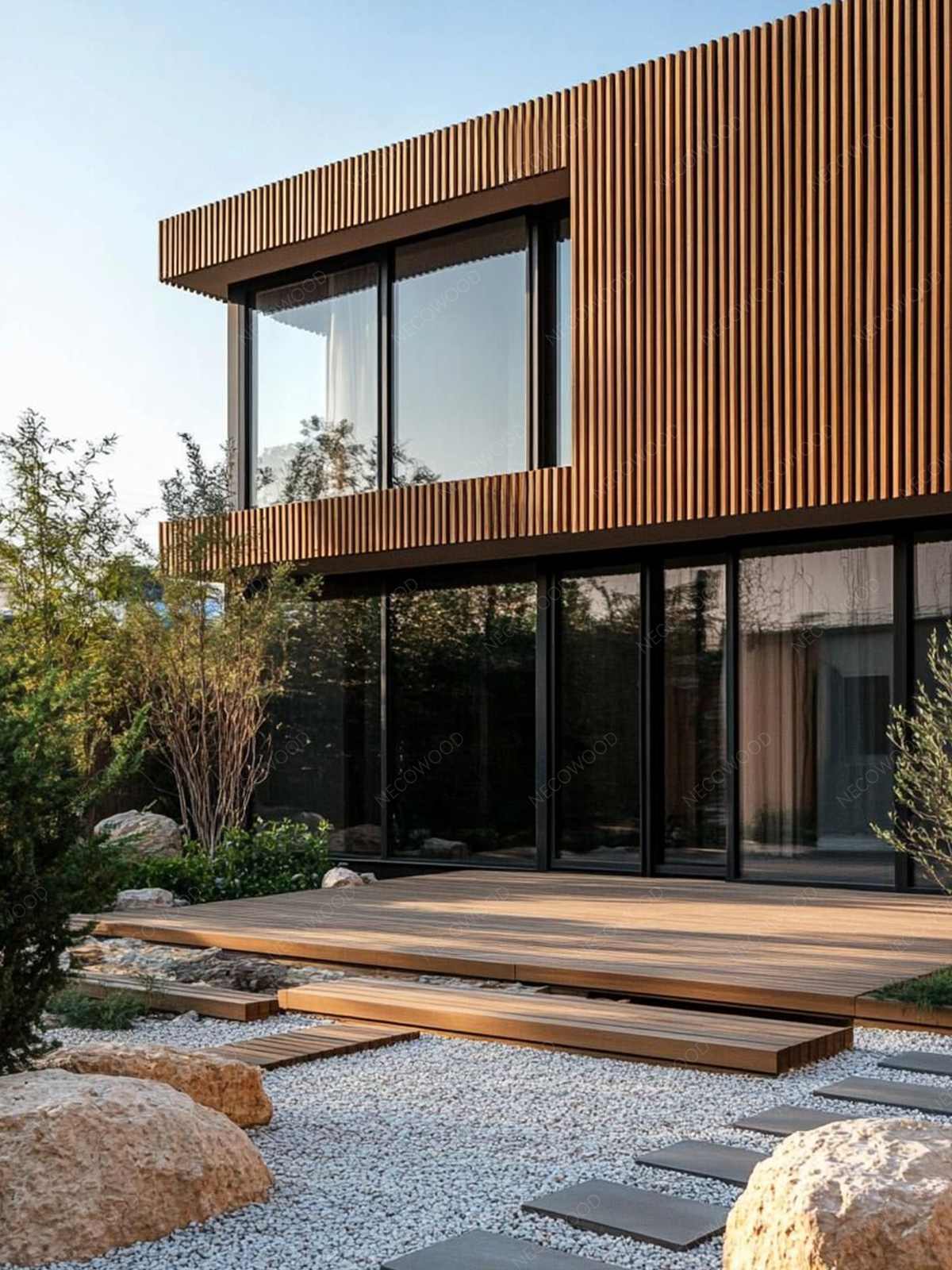
✅ Choose WPC Wall Panels when: zero maintenance is a priority, the environment is moisture‑prone, long‑term cost matters, custom colours/textures are required, or the project is high‑traffic commercial (hotels, offices, retail). Also ideal for acoustic performance and indoor air quality (GREENGUARD).
Frequently Asked Questions
Which material is cheapest to install?
Flexible stone veneer has the lowest material cost. However, WPC panels offer the lowest 25‑year total cost of ownership because they require zero maintenance.
Which is best for exterior cladding?
Natural stone is traditional. Flexible veneer can be used outdoors if the full system has passed UV, freeze‑thaw, and wind load tests. WPC with co‑extrusion also offers excellent weather resistance.
Which material is waterproof?
WPC panels are fully waterproof. Flexible veneer has a waterproof surface but the backing may be vulnerable. Natural stone varies – porous stones need sealing.
Which lasts the longest?
Natural stone can last 50+ years. WPC offers 20–30 years with zero maintenance. Flexible veneer lifespan depends on quality – typically 10–20 years.
Which material is most eco‑friendly?
Each has tradeoffs. Natural stone is recyclable but energy‑intensive. Flexible veneer uses less stone but has recycling challenges. WPC panels offer the best balance – recycled content, low carbon, and end‑of‑life recyclability.
About NECOWOOD
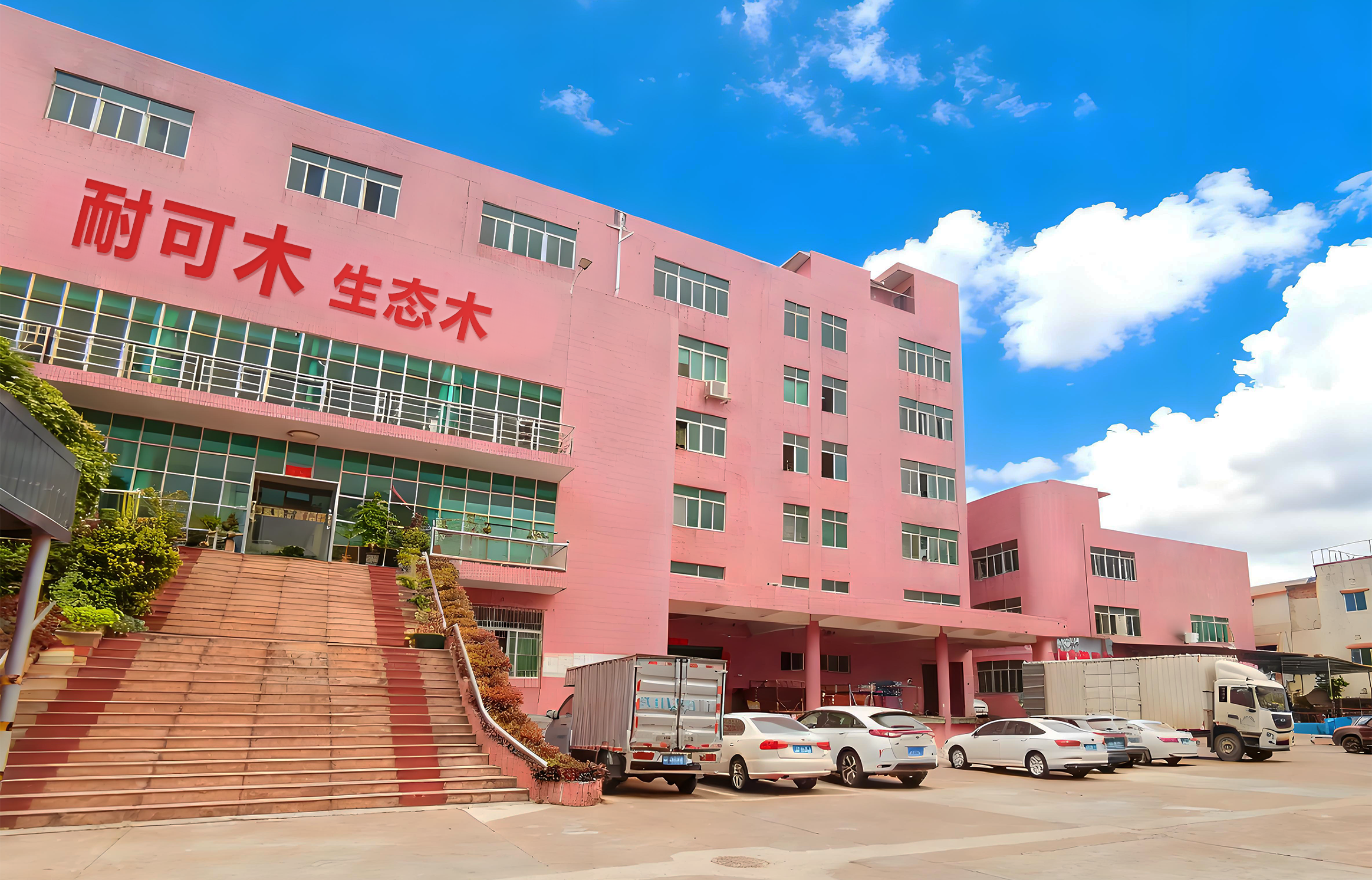
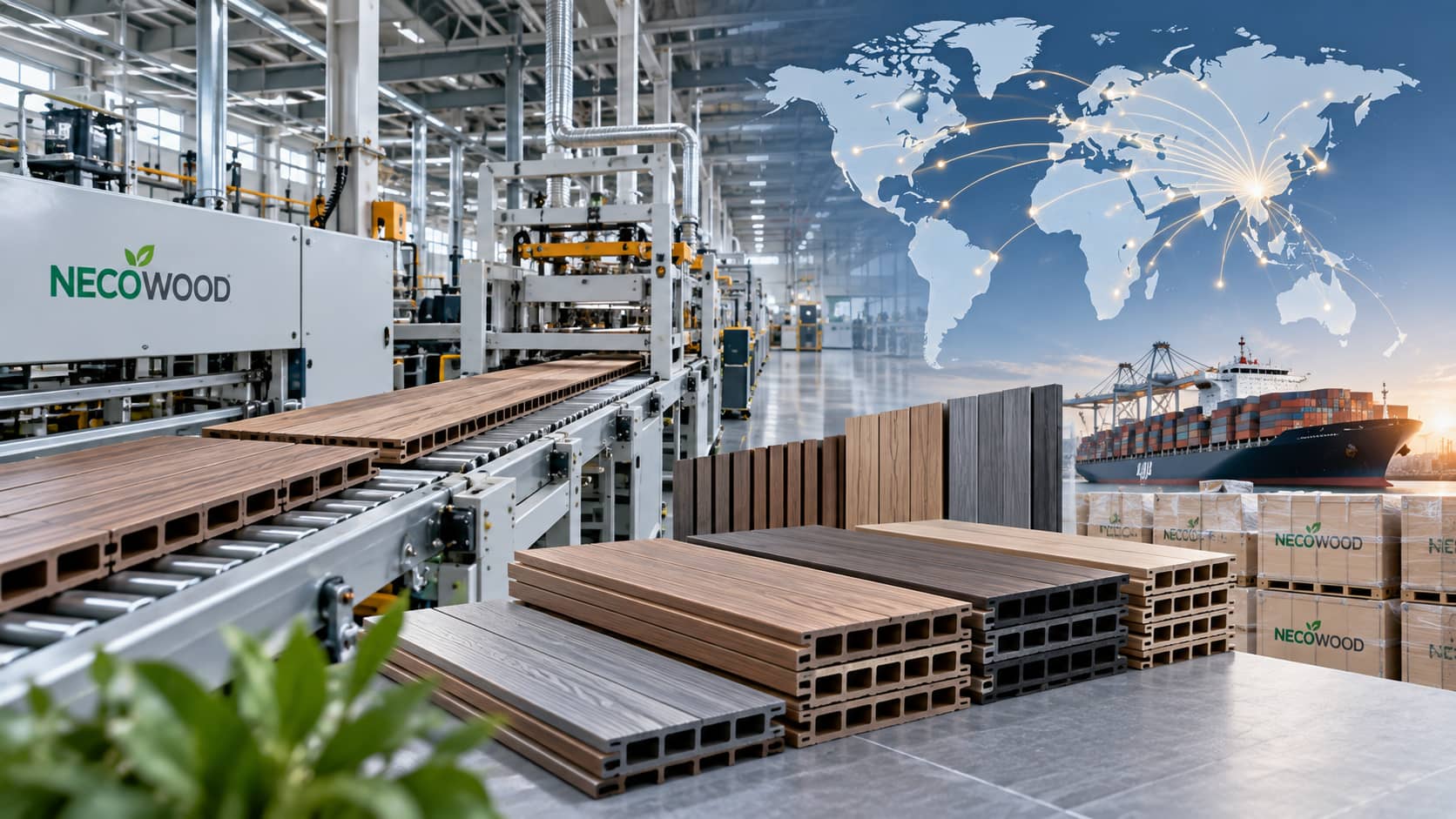
Founded in 2009 in Dongguan, China, NECOWOOD is a global leader in eco‑friendly building materials, exporting to 35+ countries. Our portfolio includes WPC wall panels, WPC ceilings, and SPC flooring – all CARB P2, GREENGUARD, CE, and RoHS certified. We offer custom solutions and technical support for architects, developers, and contractors worldwide.
Ready to specify the right wall cladding for your next project?