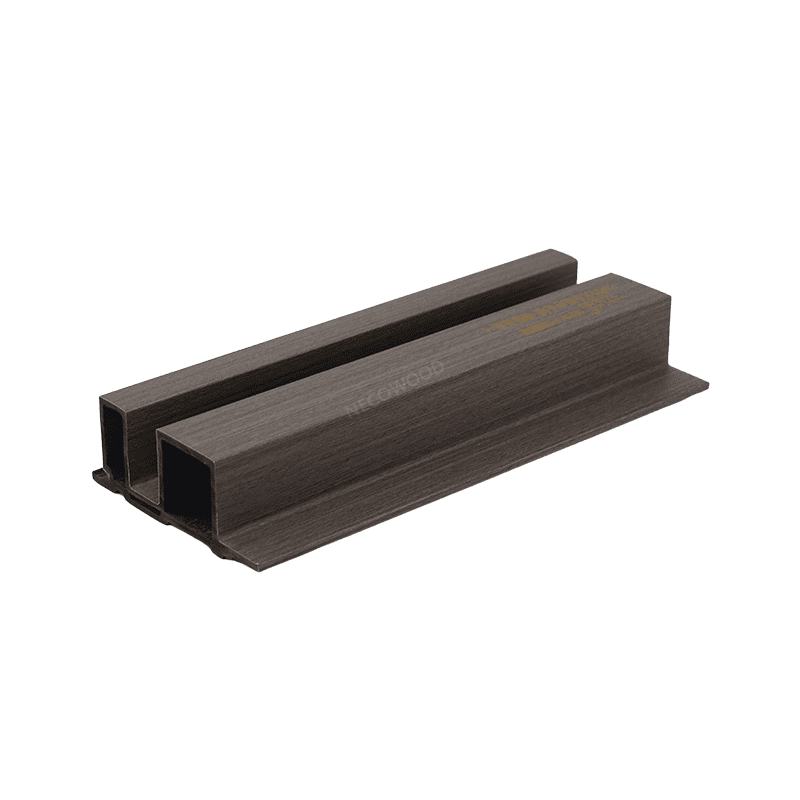
Procuring Wood-Plastic Composite (WPC) for large-scale developments in Bucharest or Budapest typically involves navigating a complex layer of distributors. Many products available in the CEE market are routed through Western European hubs, which introduces additional logistics costs and administrative overhead without necessarily altering the physical specifications of the material.
By establishing a direct-to-project supply chain, Necowood focuses on delivering material that meets the specific climatic requirements of the region—specifically the high thermal fluctuations of the Romanian plains and the humidity of the Black Sea coast.

Regional Performance Requirements
In Bucharest, where summer surface temperatures can exceed 40°C, WPC stability depends on the quality of the polymer matrix and the anti-UV package. Because our model prioritizes factory-direct logistics, we are able to allocate resources toward a more robust ASA co-extrusion layer, which is a standard requirement for our Decking WPC Romania series.
Removal of regional brokerage fees allows for higher-grade raw material sourcing while maintaining competitive Pret WPC levels.
Specifically for Decking compozit Budapesta, we provide boards with a 15% increase in wall thickness to meet commercial load-bearing standards.
In a recent project in Constanța, a developer transitioned from a traditional European distribution model to our direct-dispatch system. The primary objective was to secure a Tropical-Grade UV rating to prevent the premature fading common in Black Sea coastal environments. By managing the supply chain from our hub, the project achieved a cost-efficiency of approximately 25% compared to previous regional procurement cycles.
Technical Compliance for CEE Markets
Reliability in the Hungary and Romania markets is underpinned by standardized testing. All Necowood products, from Gard WPC (Fencing) to heavy-duty decking, are manufactured to comply with BS EN 15534. This ensures that the material provides consistent slip resistance and flexural strength throughout its service life.
For professional contractors, the value of direct supply lies in the transparency of the data and the ability to consult directly with the engineering team at the source.