



News

WPC Wall Panel Export Logistics Guide: Reduce Freight Costs by 15–25%

2026-06-23 0 Leave me a message
WPC Wall Panel Export Logistics Guide: Reduce Freight Costs by 15-25% | Necowood
🚢 LOGISTICS GUIDE · 2026

WPC Wall Panel Export Logistics Guide: Reduce Freight Costs by 15–25%

A practical guide for B2B importers and exporters — container loading optimization, shipping routes, customs clearance, tariff impact, and insurance strategies.
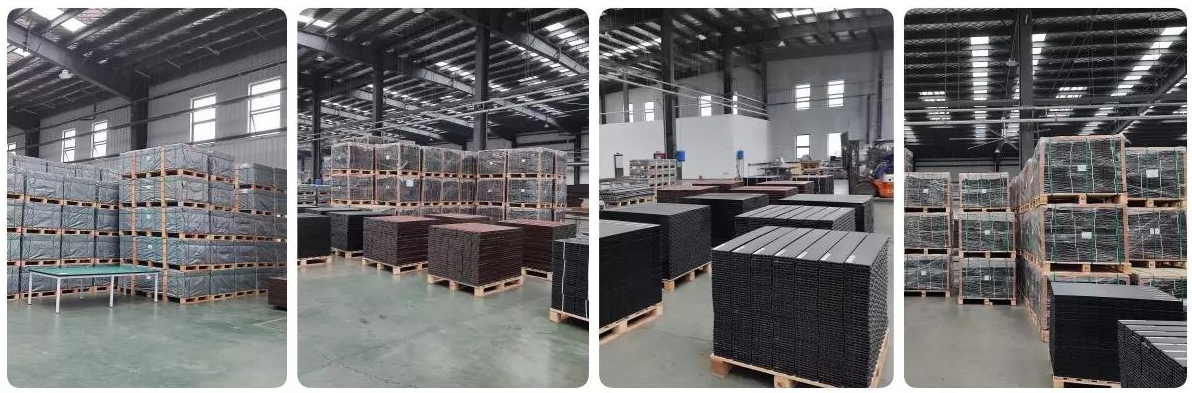
WPC wall panels container loading and export logistics – shipping optimization guide

▲ Optimizing container loading and shipping routes can reduce logistics costs by up to 25%

In international building material trade, logistics costs typically account for 15–25% of total project cost. For WPC wall panel importers and exporters, optimizing freight is a direct path to better margins. This guide covers seven practical strategies to reduce logistics expenses — from container loading to customs clearance, tariff monitoring, and insurance.

📊 Key insight: A 10% reduction in logistics cost can increase net profit by 3–5% for typical WPC import shipments. Lightweight WPC panels (like Necowood's hollow-core series) can reduce freight cost per square meter by up to 18%.
1
📦 Optimize container loading
Calculate per-cubic-meter loading capacity based on panel dimensions. Use mixed sizes and nesting (e.g., thinner panels stacked inside thicker ones) to maximize container utilization. A 40ft HC container can typically hold 650–850 panels depending on thickness.
2
🚛 Choose FCL vs LCL wisely
Full container load (FCL) offers the lowest per-unit cost for volumes above 15 CBM. For trial orders below 15 CBM, less-than-container load (LCL) is practical despite higher per-unit cost. Consolidate with other importers to reach FCL thresholds.
3
🗺️ Select shipping routes strategically
Compare direct vs transshipment routes. Monitor seasonal rate fluctuations (pre-Chinese New Year peak vs summer lows). Main routes: China-US West Coast (13–18 days), China-Europe (28–35 days), China-Middle East (20–25 days).
4
📋 Prepare customs clearance documents
Ensure commercial invoice, packing list, certificate of origin, and test reports are complete and accurate. Missing documents cause delays and demurrage fees. Necowood provides full documentation with every shipment.
5
💰 Monitor tariff and trade policy changes
Track US Section 301 tariffs (additional 7.5–25% on Chinese composites), EU anti-dumping duties, and regional trade agreements (RCEP, USMCA). Consider bonded warehousing or tariff engineering (product classification) to mitigate impact.
6
⚖️ Reduce product weight
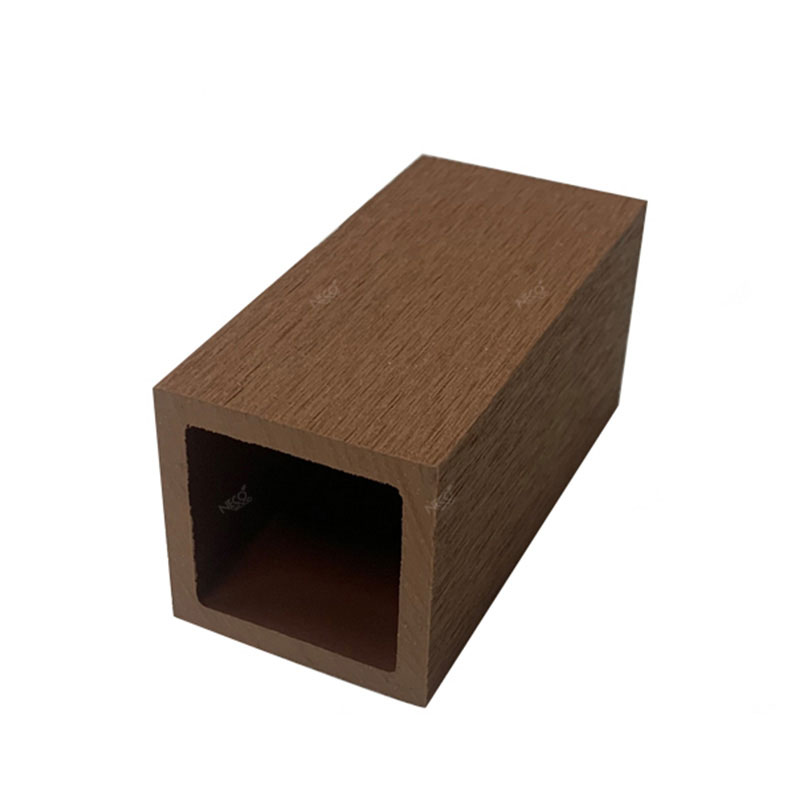
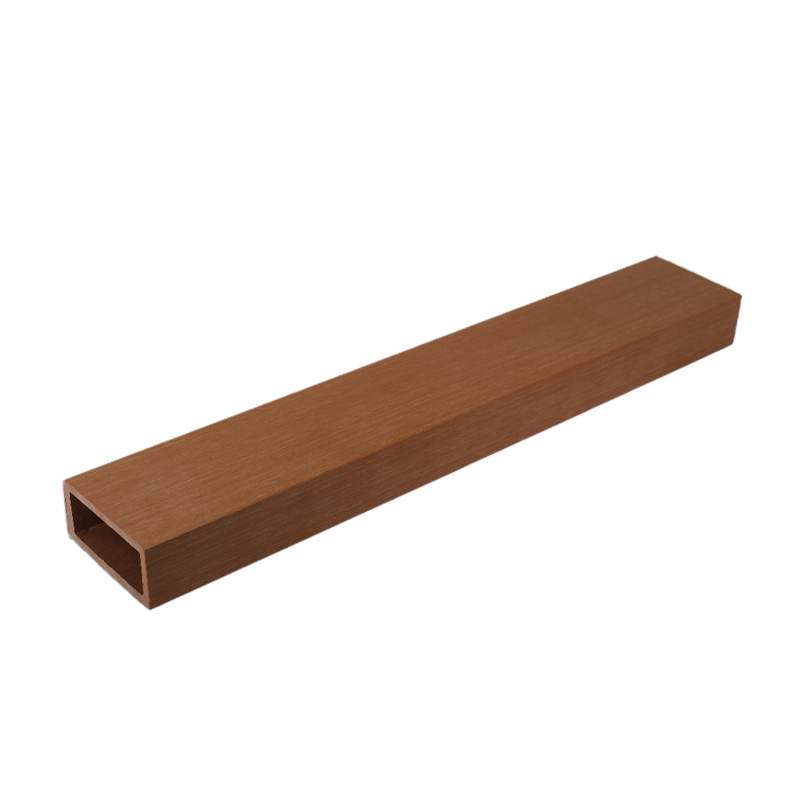
Ocean freight is charged per CBM or per ton (weight). Lighter panels allow more square meters per container. Necowood's hollow-core WPC panels weigh 25–35% less than solid alternatives, reducing freight cost by $0.5–1.2 per square meter.
7
🛡️ Secure cargo insurance
Protect against damage, delay, and loss with All Risks (ICC A) or Institute Cargo Clauses A coverage. Typical premium: 0.3–0.8% of cargo value. Factor this into total landed cost calculations.

Frequently Asked Questions

❓ How much can logistics cost represent in WPC wall panel import?
Logistics typically accounts for 15–25% of total project cost for international WPC shipments, depending on distance, shipping mode, and tariffs.
❓ What is the most cost-effective shipping method for WPC wall panels?
For volumes above 15 cubic meters, a 20ft or 40ft full container load (FCL) offers the lowest cost per unit. For trial orders below 15 CBM, less-than-container load (LCL) is more practical despite higher per-unit cost.
❓ How do US tariffs affect WPC imports from China?
Section 301 tariffs on Chinese composite materials have increased landed costs. Some importers mitigate via tariff engineering (product classification), bonded warehousing, or sourcing from ASEAN countries. Necowood provides current tariff guidance for each shipment.
❓ How does product weight impact freight cost?
Ocean freight is typically charged per cubic meter (CBM) or per ton (weight). Lighter panels allow more square meters per container. Necowood's hollow-core WPC panels are up to 35% lighter than solid alternatives, reducing shipping cost per square meter.

How Necowood Supports Importers with Logistics

  • 📐 Container loading optimization: We provide loading plans to maximize container utilization.
  • 📄 Full documentation: Commercial invoice, packing list, CO, test reports, and customs clearance support.
  • 📊 Tariff monitoring: Necowood updates importers on trade policy changes affecting WPC shipments.
  • ⚖️ Lightweight design: Hollow-core panels reduce freight cost per square meter by up to 18%.
  • 🛡️ Insurance coordination: We assist with All Risks cargo insurance arrangements.
extended keywords: international shipping cost reduction WPC, container stowage calculation, FCL vs LCL cost comparison, US tariffs on composite building materials, trade war impact WPC imports, lightweight WPC freight savings, customs clearance checklist, cargo insurance for building materials, Necowood shipping support.
Related News
Leave me a message
X
We use cookies to offer you a better browsing experience, analyze site traffic and personalize content. By using this site, you agree to our use of cookies.Privacy Policy
RejectAccept