What's Really Changing in WPC Procurement? A Look at 2026

In February 2026, UFP Industries announced a $300–325 million capital investment plan. A significant portion of that funding will go toward expanding its Deckorators and Surestone WPC product lines.
On the surface, this is a straightforward story: a major manufacturer betting big on the WPC category. But it's worth asking what this investment actually signals about the market — and what it means for how specifiers and importers will evaluate WPC products going forward.
The answer is not simply "the market is growing." The answer is more specific: the market is maturing. And as it matures, the criteria for product selection are shifting.
What durability alone no longer answers
For years, the WPC value proposition was simple: outlasts wood, requires less maintenance. This was a valid argument. It drove adoption across residential and commercial segments.
But a mature market doesn't stop at durability. Once durability becomes a given, buyers move on to other questions. In 2026, those questions are taking shape around four areas: how the product looks, how it performs in safety-critical conditions, where its materials come from, and what documentation supports its claims.
These are not niche concerns. They are becoming standard in commercial specifications.
The shift in specifier priorities
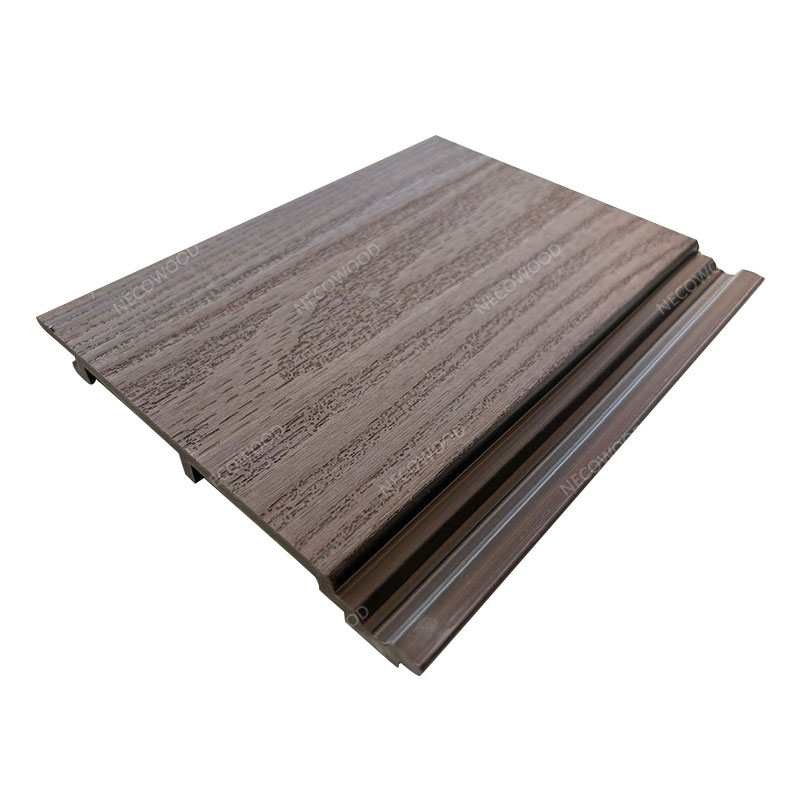
Take aesthetics. Five years ago, a printed wood grain was acceptable for most applications. Today, specifiers reject repeating patterns. They expect physical embossing deep enough to feel, non-repeating grain, and finishes that don't reflect glare. This is not a cosmetic preference — it reflects a growing understanding that material realism affects occupant perception of space quality.
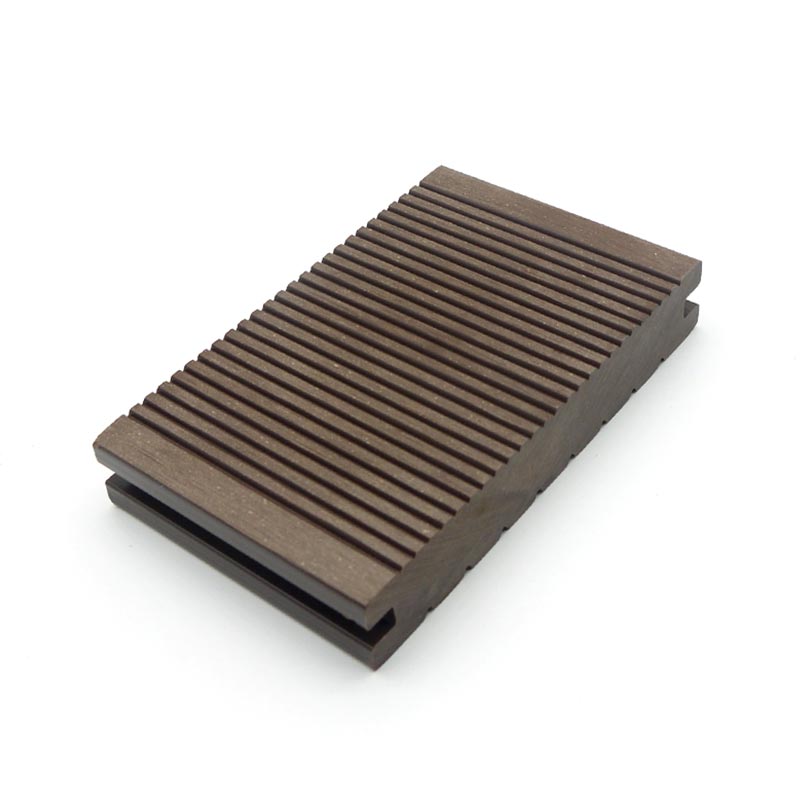
Or take safety. Slip resistance used to be a footnote. In 2026, standards like EN 16165 are increasingly referenced in commercial projects. Specifiers are no longer willing to rely on visual assessment alone. They want documented COF values from accredited laboratories.
Or take traceability. EUDR is the immediate driver, but the underlying shift is about accountability. Procurement teams are asking where wood fiber comes from. This is not going away.
Or take documentation. EPDs, HPDs, test reports — these are no longer optional for projects pursuing green building certification. They are becoming baseline requirements.
What this means for manufacturers
Competing on durability alone is no longer sufficient. Products are evaluated across multiple dimensions. The companies that can demonstrate performance across all of these dimensions — and document it — have a clear advantage in the procurement process.
Necowood's position
Necowood has been manufacturing WPC wall panels for 16 years. The company's 360° Shield™ technology delivers documented performance across the dimensions now being prioritized in commercial procurement.
Aesthetic realism is achieved through 2.0mm deep embossing and non-repeating grain patterns. Slip resistance is documented per EN 16165 for outdoor product lines. Wood fiber is fully traceable by source. And EPDs, HPDs, VOC test reports, and fire test summaries are available for all product lines.
The shift in procurement criteria is not a threat to manufacturers who are already meeting these requirements. For companies that have been building capability in these areas, it represents a recognition of what they have been doing all along.
UFP Industries' investment is a sign that WPC has arrived as a mainstream building material. The next phase of the market — the phase we are entering now — will be about which manufacturers can meet the full range of specifier requirements, not just the most basic one.