News

Industry News

WPC vs Timber Decking: The 2026 Material Comparison Guide01 2026-08

WPC vs Timber Decking: The 2026 Material Comparison Guide

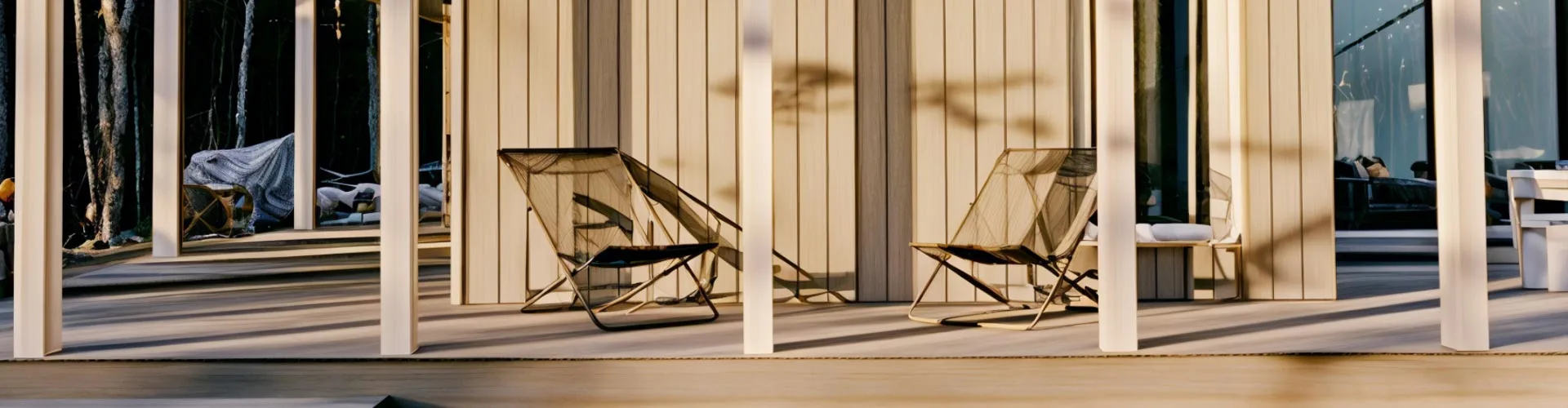
This guide compares four common outdoor decking materials: WPC (Necowood), pressure-treated pine, thermally modified wood, and bamboo wood. Key findings: WPC offers the longest lifespan (20-25 years vs 5-15 years), zero maintenance (vs annual or bi-annual oiling), 100% pest resistance, and 10+ years UV stability. While WPC has a higher upfront cost ($200-800/m²), the total cost of ownership is lower over 10+ years due to eliminated maintenance and replacement costs. Necowood WPC uses 90% recycled content and 360° Shield™ ASA co-extrusion technology for thermal stability.
Curved WPC Deck Platform: How Necowood Transformed an Irregular Outdoor Space01 2026-08

Curved WPC Deck Platform: How Necowood Transformed an Irregular Outdoor Space

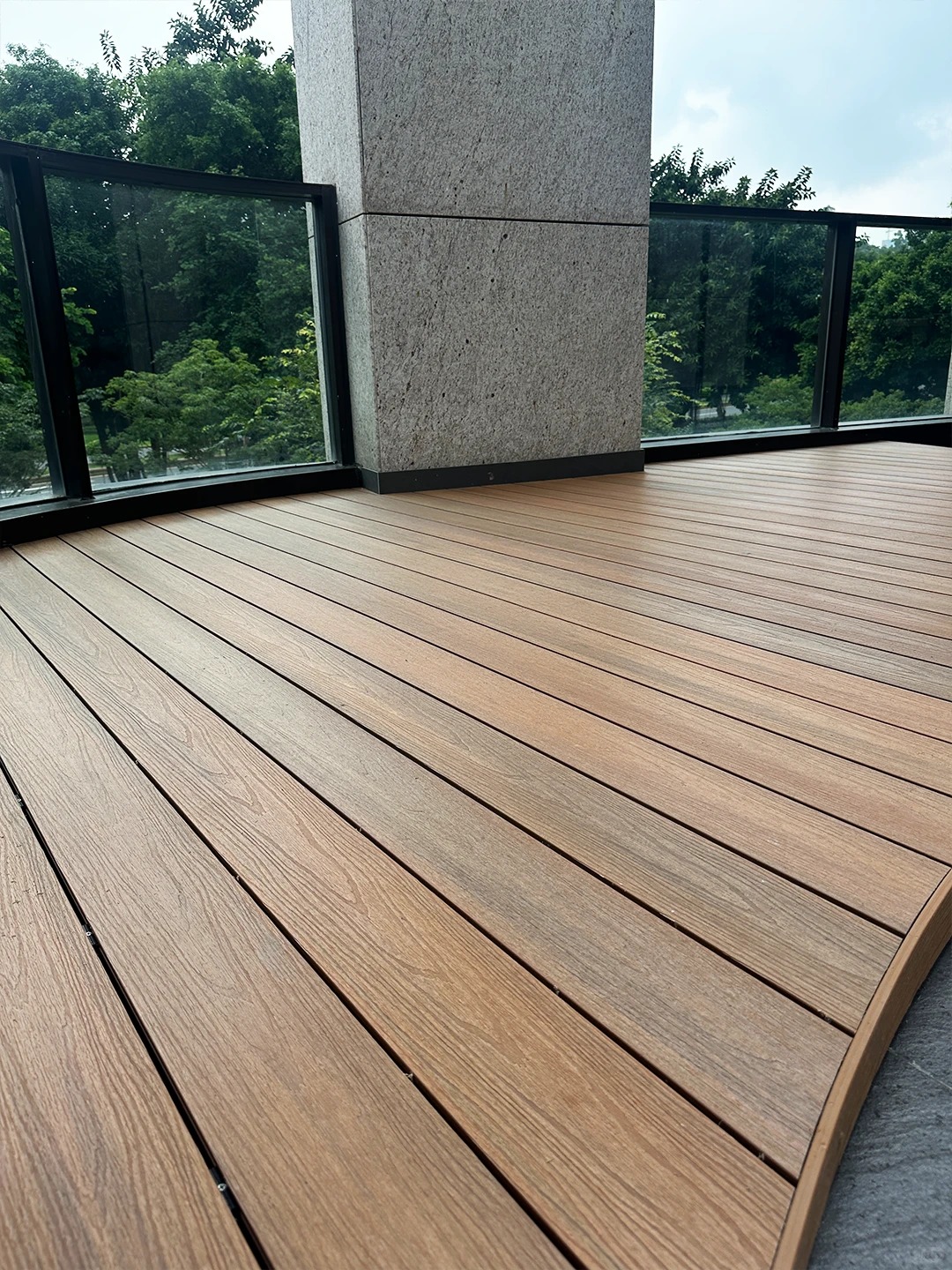
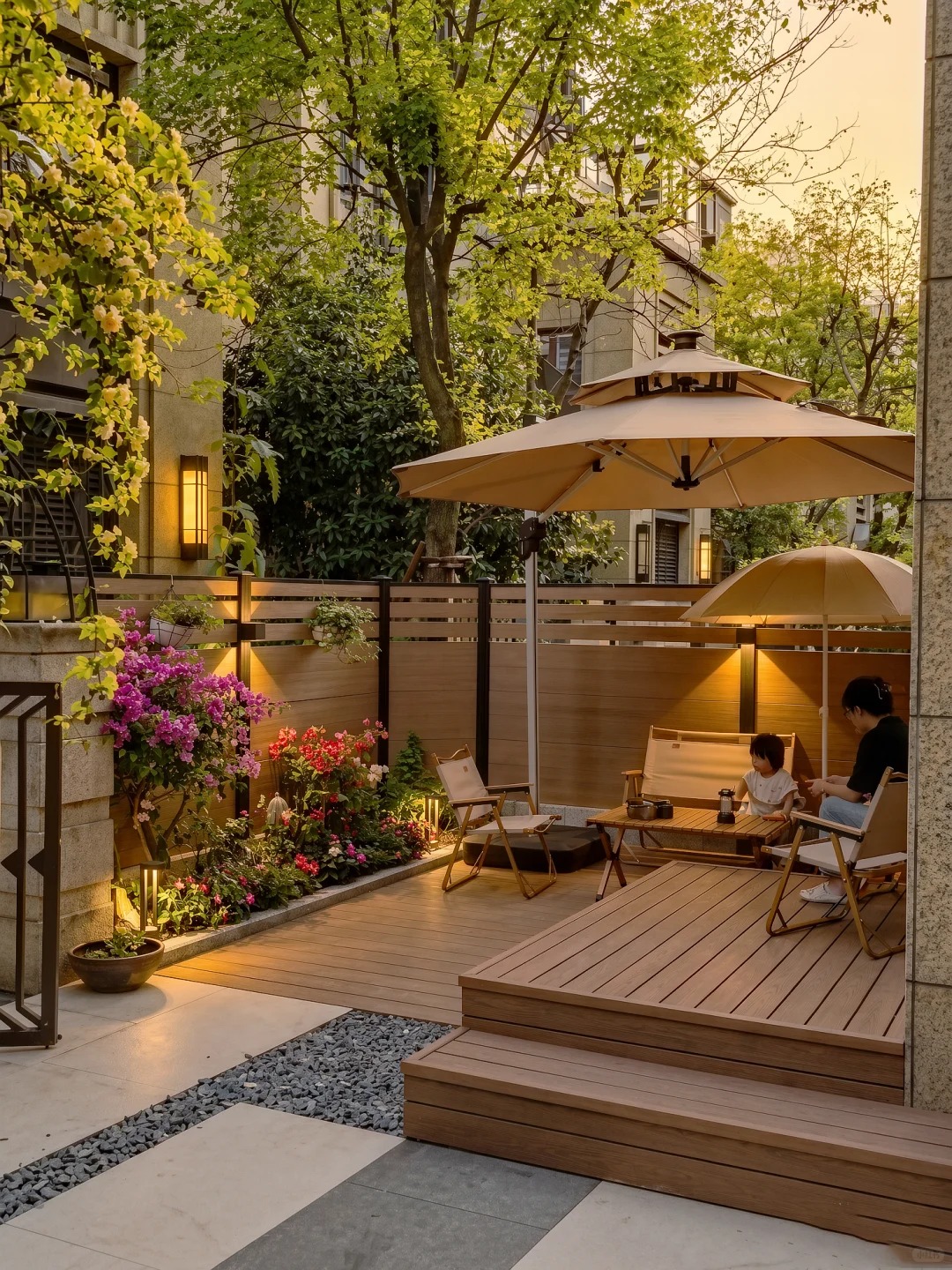
This project case study documents a residential curved WPC deck platform installation using Necowood co-extruded decking. The irregular outdoor space presented challenges for traditional tile installation — cutting curves without chipping, managing grout lines, and ensuring long-term weather resistance. Necowood WPC provided a solution: boards that cut cleanly, flexible edging trim for curved finishes, and zero-maintenance performance. A 3-person team completed the installation in 3 days. The deck is 100% waterproof, UV-resistant, and requires no sealing, staining, or sanding. The homeowner has since extended the material to garden seating and planter borders.
WPC Indoor Wall Panels — Designer's Selection Guide 202601 2026-08

WPC Indoor Wall Panels — Designer's Selection Guide 2026

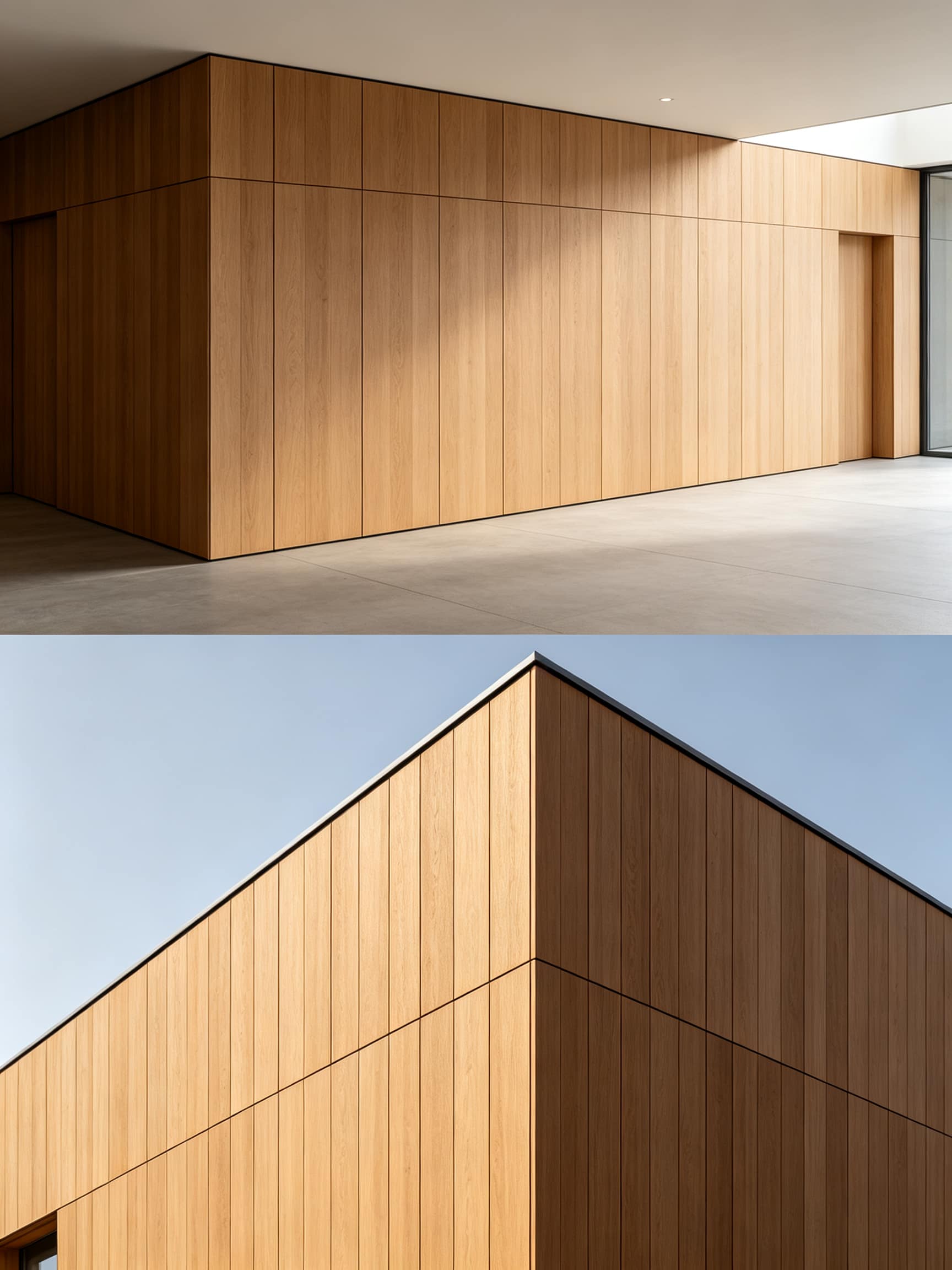
This guide provides interior designers and architects with a practical framework for specifying WPC wall panels. It covers five selection criteria: thickness (5-9mm for interior, with 5-7mm for residential and 8-9mm for commercial), surface finish (ultra-matte with reflectance below 12%, 3D deep embossing up to 2.0mm), fire rating (ASTM E84 Class A for US, EN 13501-1 B1 for EU), acoustic performance (NRC 0.65-0.80 with fluted designs), and certifications (GREENGUARD Gold, CARB Phase 2, EPDs, HPDs). The guide also includes a WPC vs PVC comparison, application-specific recommendations for residential, hospitality, commercial, wet areas, and acoustic spaces, and a designer's checklist for specification. Necowood's 2026 interior collection is designed based on direct designer feedback.
How ASA Co-Extrusion Fixed a Tropical Resort Decking Failure: A Case Study29 2026-07

How ASA Co-Extrusion Fixed a Tropical Resort Decking Failure: A Case Study

A tropical resort installed traditional WPC decking around its pool and terrace areas. Within 18 months, the decking failed — boards swelled and warped, surface chalking was visible, and fasteners worked loose. The resort replaced the decking with Necowood ASA co-extruded decking. After 14 months in service, the new decking shows zero swelling, zero warping, zero fading, and secure fasteners. This case study documents what went wrong the first time and why ASA co-extrusion performed differently.
How to Choose Outdoor Decking for Tropical Climates: A Decision Guide29 2026-07

How to Choose Outdoor Decking for Tropical Climates: A Decision Guide

This decision guide covers five criteria for selecting outdoor decking in tropical climates: moisture resistance (water absorption below 0.5%), UV stability (10+ years color retention), thermal performance (low expansion, cool surface temperature), slip resistance (wet COF >0.6), and maintenance requirements (no sanding, sealing, or staining). Includes a material comparison, decision summary, and practical questions to ask suppliers. Necowood's ASA co-extruded decking meets all five criteria, with 16 years of manufacturing experience and exports to 35+ countries.
The Truth About Wood Flour in WPC: What the Data Actually Shows27 2026-07

The Truth About Wood Flour in WPC: What the Data Actually Shows

Many buyers assume higher wood flour content in WPC means better quality — more "wood feel," more natural appearance. In reality, optimal PE-based WPC formulations require balanced ratios: 40-60% wood fiber, 30-40% HDPE polymer matrix, and 5-10% functional additives (UV stabilizers, coupling agents, lubricants). Wood flour above 60% increases water absorption, reduces toughness, and causes brittleness in cold environments. Wood flour below 40% results in excessive plastic feel and greater thermal expansion. Necowood's 16 years of manufacturing experience and 360° Shield™ co-extrusion technology ensure balanced, documented performance.
X
We use cookies to offer you a better browsing experience, analyze site traffic and personalize content. By using this site, you agree to our use of cookies.Privacy Policy