News

How to Choose Outdoor Decking for Tropical Climates: A Decision Guide

2026-07-29 0 Leave me a message
How to Choose Outdoor Decking for Tropical Climates: A Decision Guide | Necowood
Decision Guide July 2026 · 6 min read

How to Choose Outdoor Decking for Tropical Climates: A Decision Guide

Five criteria for choosing outdoor decking in tropical climates. With comparison cards, decision summary, and practical questions for suppliers.
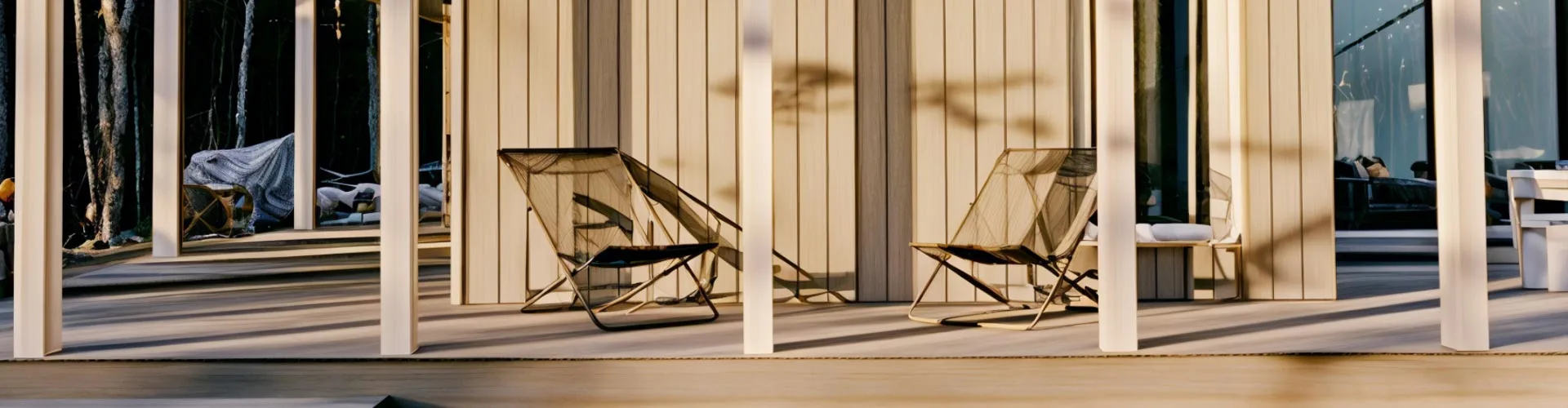
Outdoor decking in tropical climate
Tropical climates demand decking that performs across moisture, UV, and temperature extremes

Choosing decking for a tropical project is not like choosing for a temperate climate. The conditions are more demanding — and the cost of getting it wrong is higher.

Necowood has been manufacturing decking for tropical markets for 16 years, with products exported to 35+ countries. This guide is based on what we've learned about what works — and what doesn't.

It covers five criteria that determine long-term performance, compares material types across these criteria, and provides practical questions to ask suppliers. It also includes a decision summary for quick reference.

In tropical climates, decking failure comes down to one thing: the material wasn't selected for the environment. This guide helps you avoid that mistake.

Five criteria for evaluating decking

💧
1. Moisture resistance
Tropical environments have 80-90% relative humidity year-round. Decking must withstand constant moisture exposure without absorbing water.
What to look for: Water absorption below 0.5%. Traditional WPC with wood fiber absorbs 2-5%.
Necowood: <0.2% with ASA co-extruded decking.
☀️
2. UV stability
UV index in tropical regions ranges from 11-12 — significantly higher than temperate zones.
What to look for: 10+ years documented color stability. UV stabilizers integrated into the surface layer.
Necowood: 10+ years with ASA cap layer.
🌡️
3. Thermal performance
Surface temperatures in direct sunlight can reach 60-70°C. Thermal expansion and surface temperature rise affect comfort and durability.
What to look for: Low coefficient of thermal expansion. Cool surface temperature.
Necowood: Low expansion with PVC foam core.
🚶
4. Slip resistance
Tropical climates mean frequent rain — often intense. Decking must be safe to walk on when wet.
What to look for: Wet COF (coefficient of friction) >0.6.
Necowood: Embossed surfaces with documented COF values.
🧹
5. Maintenance requirements
In tropical environments, maintenance is labor-intensive. Low-maintenance decking reduces long-term costs.
What to look for: No sanding, sealing, or staining.
Necowood: Zero maintenance — water spray only.

Material comparison

Not all decking materials perform equally in tropical climates. Here's how common options compare across the five criteria.

Solid Timber ✗ Moisture ✗ UV — Thermal — Slip ✗ Maintenance $$$
Traditional WPC ✗ Moisture ✗ UV — Thermal — Slip — Maintenance $$
PVC Decking ✓ Moisture — UV — Thermal — Slip ✓ Maintenance $$$
ASA Co-Extruded ✓ Moisture ✓ UV ✓ Thermal ✓ Slip ✓ Maintenance $$$
✓ Pass  ·  — Partial  ·  ✗ Fail

What to ask suppliers

When evaluating decking for a tropical project, ask these questions. The quality of the answers will tell you a lot about the supplier.

  • Water absorption: What is the measured water absorption rate over 24 hours (ASTM D570)?
  • UV stability: How many years of color stability have you documented? Can you provide test reports?
  • Thermal performance: What is the coefficient of thermal expansion? How hot does the surface get in direct sunlight?
  • Slip resistance: What is the wet COF? Was it tested by an independent laboratory?
  • Maintenance: What ongoing maintenance is required? Can I see documentation?

Suppliers who can answer these questions with documented data are more likely to deliver reliable performance.

Decision quick summary

📋 Quick reference for tropical climate decking
Top priority Moisture resistance (<0.5% absorption) + UV stability (10+ years)
Wet climate safety Slip resistance: wet COF >0.6 — embossed or grooved surfaces
Long-term cost Zero maintenance decking eliminates sanding, sealing, and staining costs
Material that passes all five ASA co-extruded decking is the only material that meets all five criteria
Materials that fail Solid timber: fails moisture & maintenance  ·  Traditional WPC: fails moisture & UV  ·  PVC: fails appearance & UV stability

Necowood's engineering response

Necowood's ASA co-extruded decking was developed specifically for harsh outdoor environments, with 16 years of manufacturing experience and exports to 35+ countries.

How Necowood meets the five criteria

Moisture: Hydrophobic ASA cap layer + PVC foam core. Water absorption below 0.2% — 10x lower than traditional WPC.

UV: UV stabilizers integrated into the ASA layer. 10+ years documented color stability.

Thermal: Low coefficient of thermal expansion. No wood fiber — moisture-induced swelling eliminated.

Slip resistance: Embossed surfaces with documented wet COF values per EN 16165.

Maintenance: Zero — no sanding, sealing, or staining. Cleaning with water spray is sufficient.

When evaluating decking for your project, start with the five criteria. Ask suppliers for data, not just claims. Choose materials engineered for the environment — not adapted to it.

tropical climate decking guide, outdoor decking selection, ASA co-extruded decking, tropical building materials, decking moisture resistance, UV stable decking, slip resistant decking, low maintenance decking, Necowood decking guide, choose decking for hot climate, decking for high humidity, decking thermal performance, material comparison decking, decision summary decking.
Five criteria for choosing outdoor decking in tropical climates: moisture resistance (<0.5% absorption), UV stability (10+ years), thermal performance, slip resistance (wet COF >0.6), and low maintenance. Necowood ASA co-extruded decking meets all five criteria. 16 years manufacturing experience, 35+ countries.
Related News
Leave me a message
X
We use cookies to offer you a better browsing experience, analyze site traffic and personalize content. By using this site, you agree to our use of cookies.Privacy Policy
RejectAccept